


Quick Quote
One simple enquiry form gives you fast access to quotes and rate comparisons from some of Australia's leading debt consolidation specialists.
All quotes are provided free and without obligation by a specialist from our national broker referral panel. See our privacy statement for more details.
Knowledgebase
Default:
The failure to repay a debt, including interest or principal, on a loan or security.
Debt Consolidation Australia :: Articles

How Credit Card Balance Transfers Can Damage Your Credit Rating

How can balance transfers affect your credit score negatively?

How Credit Card Balance Transfers Can Damage Your Credit Rating

The information on this website is general in nature and does not take into account your objectives, financial situation, or needs. Consider seeking personal advice from a licensed adviser before acting on any information.

Since the banks and finance providers have been castigated for the way they seemingly indiscriminately awarded credit to people who could ill afford it, the chances of being accepted for loans and credit cards have decreased. Concurrently, there is a greater focus on individual's being aware of how credit works and what their financial behaviors means in terms of a credit score and history.

Why Balance Transfers Are So Readily Available

Since the banks and finance providers have been castigated for the way they seemingly indiscriminately awarded credit to people who could ill afford it, the chances of being accepted for loans and credit cards have decreased.
Concurrently, there is a greater focus on individual's being aware of how credit works and what their financial behaviors means in terms of a credit score and history.
The so called Credit Crunch has engendered a change in behaviours and has led to banks not only thinking about whom they extend credit to but also how they lend it.
It has also meant these card issuers have had to find new ways to increase custom.
Debt Stressed?
Image for Debt Stressed?If you're struggling to pay your debts and covering living expenses, we're here to help. Through our national panel of Debt Management specialists, we can help customers with $10k or more in debt by consolidating your existing loans, stopping Debt collectors from contacting you and re-negotiating repayments on your terms!
The market has been hit with a whole slew of prepaid credit cards but also balance transfer offers have become a major marketing tool in the battle for new customers.

What is a balance transfer?

Quite simply, a balance transfer is moving the outstanding balance from one credit card to another that has a lower rate of interest. It is a simple way of reducing your monthly repayments on your card balance.

Why are they so attractive right now?

The credit card marketplace is highly competitive and these transfer is a relatively low risk option for the issuers to attract new customers. The need to attract new customers without creating a whole new generation of credit card owners unable to pay their debts has resulted in very attractive credit cards with transfer offers. Most major US issuing banks now have 0 balance credit cards in their portfolio of financial products. With offers extending from zero interest from 3 months right up to 18 months, there appears to be a credit card war raging with each bank trying to introduce the most attractive transfer offers.

Why balance transfer offers are not a get out of jail free card

The mere idea of reducing your monthly out goings by transferring existing credit card balances to a new card or cards where you can obtain an extended interest free period is very enticing. Prima facie, it seems entirely logical and indeed, eminently sensible. There are however, certain considerations that need to be taken into account before simply responding to the click here or apply now button on 0 balance interest credit cards:

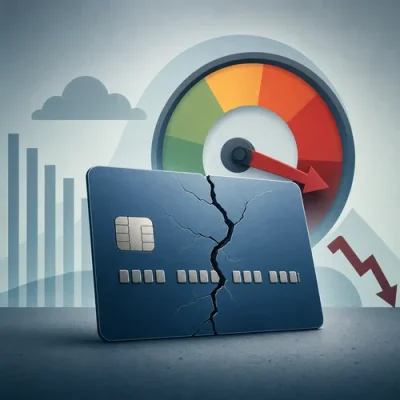
You can adversely affect your credit score

Every time you make an application for a new card or apply for new credit of any form (loan, mortgage, cash advance and hire purchase), there is a note made on your credit file and your score is impacted with a reduction.
If you apply for multiple credit cards or respond to a number of balance transfer offers in a short period of time, there is a significant impact on your credit score.

There are fees involved

No credit is for free; even those deals with 0% interest on balances transferred will have an associated fee - after all, these card provider still has to make money from your transaction even if you are paying zero interest. Typically, balance transfer fees can be between 3-5% of the balance transferred meaning that when your interest free period starts it is with a higher amount that you had on your old card.

The APR after the initial offer period is high

One of the major pitfalls you could fall into is to take advantage of a balance transfer offer only to find that after the offer expiry date, the APR is higher than you were paying on your original credit card from where the balance was transferred.
It is imperative that you read the small print and are fully conversant with the interest rate you will be paying after the interest free period.

What not to use balance transfers for

When you are facing debt issues it is easy to succumb to ways of managing your finances that seem entirely logical at the time. There are two main ways of not managing your finances with balance transfer offers:
  1. Do not use it as an excuse simply to get another credit card
    If you are transferring a balance the temptation is there to keep the original credit card thereby increasing the availability of the credit at your disposal. This is a definite no-no unless you can absolutely afford the repayments on all of your cards
  2. Do not use balance transfers as a way to avoid paying your debt.
    The attraction of balance transfer offers does actually promote a way of carrying the debt; instead of paying off the debt you merely transfer it from one card to another and repeat after each introductory rate expires
In conclusion, are balance transfer offers and 0 balance transfer credit cards a bad thing? No! Not at all, but like every form of credit, they require close scrutiny before application and responsible management thereafter

Published: Sunday, 1st Aug 2021
Author: 148


Debt Consolidation Articles

Managing Your Credit Card Debt Wisely in Tough Economic Times
In light of the current economic challenges facing many Australians, managing credit card debt has become more crucial than ever. With rising living costs and financial uncertainty, accruing debt on high-interest credit cards can quickly escalate from a manageable inconvenience to a stressful financial burden. - read more
Consolidating Debt: Choosing the Right Strategy for Your Financial Future
Debt consolidation is a financial strategy that has gained widespread attention, especially within the diverse economic landscape of Australia. It involves combining multiple debts into a single, more manageable loan, with the aim of simplifying the repayment process and potentially securing a lower interest rate. This approach can be particularly relevant for Australians juggling various forms of credit, from personal loans to high-interest credit card debt. - read more
Budgeting 101: A Beginner's Guide to Monthly Expense Planning
Budgeting is the process of creating a plan to manage your money. Essentially, it allows you to allocate your income towards expenses, savings, and other financial goals. By keeping track of where your money goes, budgeting helps you ensure that you are not overspending and are prepared for future financial needs. - read more
The Ultimate Guide to Achieving Financial Freedom Through Debt Restructuring
Financial stability is a common aspiration, yet many Australians find themselves weighed down by the burden of debt. Whether it’s due to loans, credit cards, or unexpected financial emergencies, the struggle to stay afloat is a reality for countless individuals striving to achieve their dreams of a secure, debt-free future. - read more
The Ultimate Guide to Managing Personal Debt: Tips and Tricks
Managing personal debt effectively is crucial for maintaining financial stability. Debt, when left unchecked, can quickly spiral out of control, leading to financial stress and a host of other problems. - read more
Finance News

ANZ's Australia Commercial Division Sees 11% Profit Growth
14 Feb 2026: Paige Estritori
ANZ Banking Group has reported an 11% increase in profit for its Australia Commercial division over the past year. This growth is attributed to robust lending activities, particularly in the agribusiness and health sectors. - read more
APRA Implements New Cap on High Debt-to-Income Home Loans
06 Feb 2026: Paige Estritori
The Australian Prudential Regulation Authority (APRA) has announced a significant policy change aimed at mitigating risks in the housing market. Effective February 2026, APRA will impose a cap on high debt-to-income (DTI) home loans, limiting such loans to 20% of new home lending. This measure applies to both owner-occupiers and investors, with an exemption for new housing developments. - read more
RBA's October 2025 Financial Stability Review: Key Insights
06 Feb 2026: Paige Estritori
The Reserve Bank of Australia (RBA) has released its October 2025 Financial Stability Review, providing a comprehensive assessment of the nation's financial system amidst a backdrop of global uncertainties. The report underscores that while Australia's financial institutions remain robust, external factors pose significant risks that warrant vigilant monitoring. - read more
Decline in Personal Insolvencies: A Positive Sign for Australia's Economy
06 Feb 2026: Paige Estritori
The Australian Financial Security Authority (AFSA) has reported a notable decrease in personal insolvencies for October 2025, signaling a positive trend in the financial health of Australians. A total of 1,116 new personal insolvencies were recorded, down from 1,169 in September 2025 and higher than 1,009 in October 2024. - read more
Australian Mortgage Market Hits Record $2.41 Trillion
29 Jan 2026: Paige Estritori
The Australian mortgage market has reached a new milestone, with the total value of residential mortgages climbing to $2.41 trillion in November 2025. This growth is largely attributed to escalating property prices and a surge in lending activity. - read more