The information on this website is general in nature and does not take into account your objectives, financial situation, or needs. Consider seeking personal advice from a licensed adviser before acting on any information.
Debt consolidation may allow Australians to combine several eligible debts into one new loan, but not every debt is treated the same way. This guide explains common debts that may be consolidated, debts that may need special handling, and what lenders usually assess before approving an application.
If you have several repayments due each month, debt consolidation can sound like a simple way to bring them together. But a common question comes first: what debts can be consolidated in Australia?
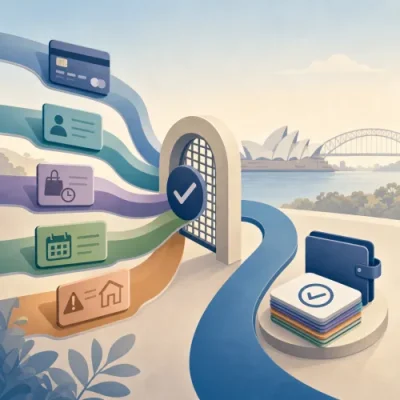
In general, debt consolidation loans are most often used for unsecured consumer debts such as credit cards, personal loans and some buy now pay later balances. Some secured debts, arrears or government-related debts may be harder to include, may need lender approval, or may be better handled through another option.
This article explains the types of debts that may commonly be considered, the debts that need extra caution, and the factors that can affect debt consolidation eligibility in Australia.
What debt consolidation usually means
Debt consolidation usually involves taking out a new loan and using the funds to pay out multiple existing debts. Instead of making several repayments to different providers, you make one repayment on the new loan.
That does not mean every debt can automatically be rolled into the new loan. A lender will usually consider the type of debt, the payout amount, your income and expenses, your repayment history, your credit file and whether the proposed loan is affordable.
If you are comparing whether a consolidation loan may be relevant to your situation, you can start with the general information on Debt Consolidation Australia. Any enquiry or application outcome will depend on your circumstances and the criteria of the lender, broker or provider involved.
Common debts that may be consolidated
The following debts are commonly considered for consolidation, although eligibility is not guaranteed.
Credit card debt
Credit card balances are one of the most common debts people look to consolidate. This may include balances across one or multiple cards.
People often consolidate credit card debt because cards can have variable interest, multiple due dates and minimum repayments that may reduce the balance slowly if no extra payments are made. A consolidation loan may provide a fixed repayment schedule, but it is important to compare the total cost, fees and loan term.
One risk is keeping the old credit card open and building the balance again. If you consolidate credit card debt, consider whether the card limit should be reduced or the account closed, depending on your needs and the provider’s process.
Personal loans
You may be able to consolidate personal loans, including unsecured personal loans, if the new lender is willing to include the payout amount in the new loan.
This can be useful where you have several personal loans with different repayment dates or fees. However, check whether your existing loan has early repayment fees, discharge costs or other charges. These costs can affect whether consolidation is worthwhile.
Store cards and retail finance
Store cards, retail finance accounts and similar consumer credit facilities may sometimes be consolidated. These debts can be easy to overlook because they may have smaller balances than a personal loan or credit card.
When listing debts for a possible consolidation application, include the provider name, balance, repayment amount, interest rate if known and any fees. Small accounts can still affect your overall affordability.
Buy now pay later balances
Some borrowers look to consolidate buy now pay later debt when multiple repayment schedules become difficult to track. Whether these balances can be included depends on the lender’s assessment and how the debts appear in your bank statements, credit file or transaction history.
Even if the balances are relatively small, lenders may consider your buy now pay later activity when assessing spending habits and affordability. Frequent or missed payments may raise questions during assessment.
Payday loans and small amount loans
Some people seek to consolidate payday loans or small amount credit contracts because the repayment pressure can be high. A lender may consider paying these out as part of a broader consolidation loan, but these debts can also make an application more complex.
Recent payday loan use may indicate financial stress, and missed or dishonoured repayments can affect how a lender assesses risk. If the repayments are unaffordable, it may be worth speaking with the provider about hardship options or seeking free financial counselling before taking on another loan.
Overdrafts and lines of credit
Personal overdrafts and some personal lines of credit may be included in a consolidation loan if the lender accepts them and the payout amount is clear. As with credit cards, closing or reducing the old facility may be important so the debt does not build up again.
Debts that may need special treatment
Some debts are not impossible to address, but they can be more complicated than standard credit card or personal loan balances.
| Debt type |
Can it usually be consolidated? |
Key considerations |
| Car loans |
Sometimes |
A secured car loan may need to be paid out and the security released. Refinancing or a separate car loan option may be more suitable in some cases. |
| Mortgage debt |
Usually handled separately |
Home loan debt is generally dealt with through refinancing or home loan restructuring rather than a standard unsecured debt consolidation loan. |
| Tax debt |
Sometimes, but not always |
Tax debts may require specific arrangements. A payment plan or direct arrangement with the relevant authority may be more appropriate. |
| Utility arrears |
Sometimes |
Electricity, gas, water, phone or internet arrears may be included by some lenders, but hardship arrangements with the provider may be worth exploring. |
| Fines, court debts or government debts |
Often limited |
These may have specific rules, enforcement processes or payment arrangement options. They may not be treated like ordinary consumer credit. |
| Business debts |
Depends on the debt and borrower |
Personal debt consolidation is different from business finance. Mixing personal and business debts can create risk and may need specialist advice. |
Car loans and secured vehicle finance
A car loan may be secured against the vehicle. If you want to include it in a consolidation loan, the existing lender may need to provide a payout figure and release its security once paid.
Consolidating a secured car loan into an unsecured personal loan may change the interest rate, loan term, fees and risk profile. In some cases, refinancing the car loan separately may be more suitable than combining it with credit cards or other debts.
Mortgage debt and home loan arrears
Mortgage debt is usually not treated the same way as unsecured consumer debts. If your main concern is home loan repayments, options may include speaking with your lender about hardship assistance, refinancing, restructuring the loan or seeking independent support.
Using home equity to consolidate unsecured debts can reduce the number of repayments, but it may also turn short-term unsecured debts into debt secured against your home. That can increase the consequences if repayments are missed, so it should be considered carefully.
Stay informed with MoneyTips
 Get practical financial information, news, guides and resources delivered free to your inbox each month with the MoneyTips eZine.
Tax debts
Tax debts may require a different approach from credit card or personal loan debt. Some people may consider borrowing to pay a tax debt, but a direct payment arrangement may also be available depending on the situation.
Before using a consolidation loan for tax debt, compare the cost, repayment term and risk against any available payment arrangement. If you are unsure, seek professional tax or financial guidance.
Utility, phone and internet arrears
Utility arrears may sometimes be included in a consolidation loan if the lender accepts them and the amount can be verified. However, providers may also offer hardship arrangements, payment plans or support for customers who are struggling.
If the arrears are due to a temporary issue, a hardship arrangement may be enough. If the arrears are part of a broader pattern of unaffordable repayments, consolidating them without changing the household budget may not solve the underlying problem.
Debts that may not be suitable for consolidation
Some debts may be difficult to consolidate or may not be suitable to include in a new loan. Examples can include:
- Debts already subject to legal action: these may need urgent specialist advice or direct negotiation.
- Fines or court-ordered payments: these may have specific repayment or enforcement rules.
- Child support arrears: these should be handled through the relevant formal processes and advice.
- HECS-HELP or study debt: this is generally not treated like a normal consumer loan.
- Debts in hardship, default or collection: these may still be considered by some lenders, but they can affect eligibility and pricing.
- Debts you cannot afford even after consolidation: a new loan may not be appropriate if the repayment remains unrealistic.
If you are already behind on essential bills or repayments, it may be worth comparing consolidation with other debt relief options. The guide to debt consolidation, hardship assistance and debt agreements in Australia explains how different pathways may apply.
How lenders assess what debts can be consolidated
There is no single rule that applies to every lender. When assessing a consolidation application, lenders commonly look at whether the proposed loan is affordable and whether the existing debts can be verified and paid out.
They may consider:
- your income and employment situation;
- your regular living expenses;
- the total amount you want to consolidate;
- your current repayments and repayment history;
- your credit file and recent credit enquiries;
- whether any debts are overdue, in default or with collectors;
- the type of debts being consolidated;
- whether the new loan is secured or unsecured;
- the proposed loan term, rate and fees; and
- whether old credit facilities will be closed or limits reduced.
Because criteria vary between providers, it can be useful to understand how different lenders may view your debts. You can review the available broker information if you want to understand how referral and lender assessment may work.
What documents may help confirm your debts
If you are preparing to enquire about debt consolidation, it helps to gather accurate information before you start. This can also help you avoid underestimating the amount you need to consolidate.
Useful information may include:
- recent statements for credit cards, loans and buy now pay later accounts;
- current payout figures for personal loans or car loans;
- details of any missed payments, defaults or collection notices;
- utility or phone bills showing arrears;
- bank statements showing income and regular expenses;
- proof of income, such as payslips or other accepted income evidence; and
- a list of account numbers, repayment dates and provider contact details.
Do not rely on memory alone. Small debts, annual fees and overdue charges can change the amount needed to pay out an account.
How to decide whether a debt should be included
Not every eligible debt should automatically be included. Before adding a debt to a consolidation loan, consider whether the new loan improves your overall position or simply stretches the debt over a longer period.
Ask these questions:
- Is the current debt expensive? High-interest credit card debt may be a stronger candidate than a low-rate loan with minimal fees.
- Are there exit fees? Early repayment or discharge fees can reduce the benefit of consolidating.
- Will the repayment be affordable? A lower monthly repayment may still cost more overall if the term is much longer.
- Will the old account be closed? Keeping old cards or credit limits open can create a risk of building new debt.
- Is the debt secured? Moving unsecured debt into a secured loan can increase the consequences of missed repayments.
- Is another option more suitable? Hardship assistance, a payment plan or budgeting support may be more appropriate in some circumstances.
Estimating repayments before you apply
Before applying, it can help to estimate how the debts may look if they were combined into one loan. A calculator cannot confirm eligibility or approval, but it can help you compare repayment scenarios and see how different loan terms affect total cost.
You can use the debt consolidation calculator as a starting point. Enter realistic balances, repayment amounts and assumptions so the estimate is useful. Remember that actual loan terms, rates and fees depend on lender assessment and your individual circumstances.
When consolidation may not be the right answer
Debt consolidation may not be suitable if the new repayment would still be unaffordable, if you are relying on credit for everyday expenses, or if the debt problem is linked to ongoing income shortfalls.
It may also be unsuitable if the new loan would significantly increase the total cost of the debt, require security you are uncomfortable providing, or leave you with open credit accounts that could lead to more debt.
If you are in financial hardship, behind on essential bills or facing legal action, consider speaking with your creditors, a free financial counsellor or another qualified professional before taking on new credit.
Final Thoughts
The debts most commonly consolidated in Australia include credit cards, personal loans, store finance, some buy now pay later balances, payday loans and overdrafts. Other debts, such as car loans, tax debts, utility arrears, mortgage arrears and government-related debts, may need special treatment or a different strategy.
Whether a debt can be consolidated depends on the lender’s criteria, your financial position and whether the new loan is affordable. Before applying, list every debt, check payout amounts, compare costs and consider whether consolidation addresses the cause of the debt as well as the repayments.
Published: Monday, 16th Nov 2026
Author: Paige Estritori





No comments yet. Be the first to share your thoughts.