
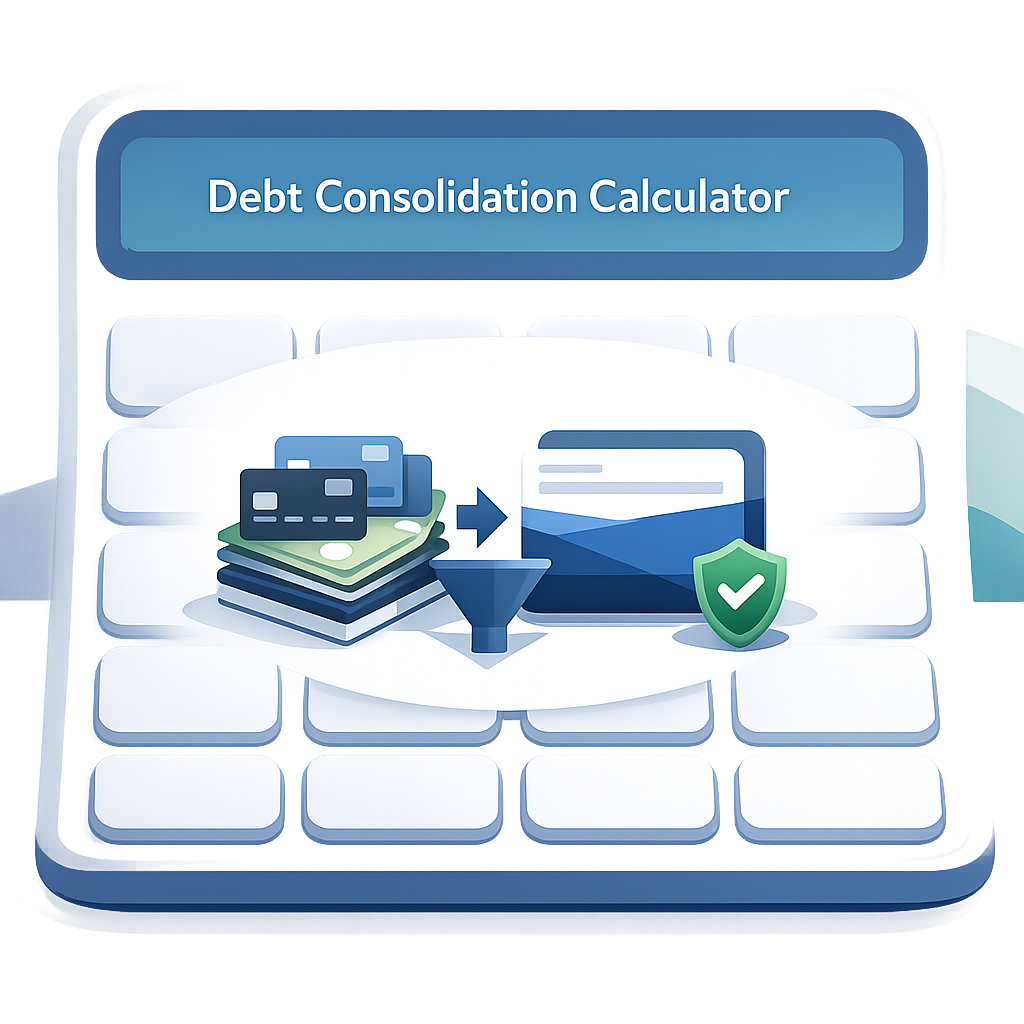



Can You Get a Debt Consolidation Loan With Bad Credit in Australia?
Bad credit does not automatically rule out a debt consolidation loan in Australia, but it can affect eligibility, interest rates, loan amount, security requirements and lender choice. This guide explains what lenders may assess and what to consider before applying. - read more

The Importance of Emergency Funds in Your Monthly Budget
When it comes to managing your finances, planning for the unexpected is a crucial part of staying on top of your budget. An emergency fund serves as your financial safety net, poised to offer support when unforeseen expenses arise. These funds are specifically set aside to cover unexpected costs, like medical emergencies, car repairs, or urgent home maintenance issues. - read more

How to Manage Personal Debt: An Australian Debt Management Guide
Managing personal debt starts with understanding what you owe, how much it costs, and which steps can help you regain control. This Australian debt management guide explains budgeting, repayment strategies, consolidation options, professional support and practical habits that can reduce financial stress over time. - read more

Debt Consolidation, Hardship Assistance and Debt Agreements in Australia
Debt consolidation is only one way to deal with debt. This guide explains how it differs from financial hardship assistance, informal creditor arrangements, debt agreements and other debt relief options in Australia. - read more

Budgeting 101: A Beginner's Guide to Monthly Expense Planning
Budgeting is the process of creating a plan to manage your money. Essentially, it allows you to allocate your income towards expenses, savings, and other financial goals. By keeping track of where your money goes, budgeting helps you ensure that you are not overspending and are prepared for future financial needs. - read more
No comments yet. Be the first to share your thoughts.