

Quick Quote
One simple enquiry form gives you fast access to quotes and rate comparisons from some of Australia's leading debt consolidation specialists.
All quotes are provided free and without obligation by a specialist from our national broker referral panel. See our privacy statement for more details.
Knowledgebase
Monetary Policy:
The actions of a central bank or other regulatory authority that determine the size and rate of growth of the money supply.
Debt Consolidation Australia :: News
SHARE

Share this news item!

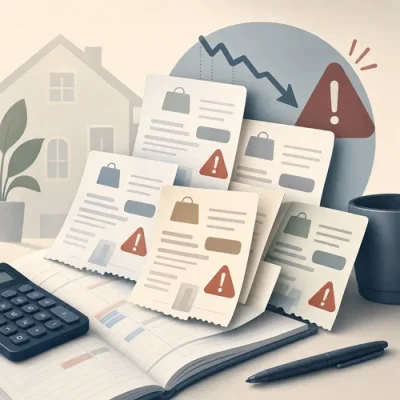
Why Buy Now Pay Later Can Become a Debt Stress Signal

Small repayments can still add up when household budgets are already tight

Why Buy Now Pay Later Can Become a Debt Stress Signal?w=400

The information on this website is general in nature and does not take into account your objectives, financial situation, or needs. Consider seeking personal advice from a licensed adviser before acting on any information.

Recent consumer finance reporting has put buy now pay later back in the spotlight, with more Australians appearing to use short-term credit to manage everyday costs such as groceries, utilities, fuel and household essentials.
On the surface, splitting a purchase into smaller instalments can feel manageable.
The concern is what happens when several small commitments land at the same time as rent, mortgage payments, credit card minimums, car finance and personal loan repayments.

For households already under pressure, BNPL can blur the real cost of spending. Because repayments are often broken into smaller amounts, it is easy to underestimate how much of next month’s income has already been promised. Missed payments may also attract fees, reduce cash available for priority bills and make it harder to stay on top of other debts.

This is an extension of the broader credit card debt pressure many Australians have been feeling. The product may be different, but the pattern is familiar: living costs rise, income does not stretch as far, and credit becomes a buffer. That buffer can help in an emergency, but it can also delay the moment when a household reviews the full picture.

A practical first step is to list every repayment due over the next four to six weeks, including BNPL instalments, card minimums, loan repayments, overdue bills and direct debits. Then compare that total with expected take-home pay after essentials. If the numbers do not leave room for food, transport and utilities, the issue is not just one purchase; it is a cash-flow gap that needs attention.

Debt consolidation may help some borrowers, particularly where several higher-interest debts can be brought into one structured repayment. It is not a cure-all, and it should not be used to create space for new spending. The key question is whether a new loan would reduce complexity, improve affordability and lower the overall cost without stretching the debt over an unnecessarily long term.

Before applying, borrowers should compare balances, interest rates, fees, repayment dates and remaining terms. It can also be useful to estimate the real cost of keeping existing debts versus consolidating them. This helps reveal whether a lower monthly repayment comes from a better rate, a longer loan term, or both.

If repayments are already being missed, contact lenders early and ask about hardship support before arrears escalate. Australians should also be cautious about taking on more short-term credit to cover old repayments. When BNPL, cards and personal loans start overlapping, getting organised quickly can protect your budget, reduce stress and support better long-term debt decisions.

Published:Tuesday, 25th Aug 2026
Author: Paige Estritori

Please Note: We do not endorse any specific products or companies. Some content is sourced from third parties, including press releases, and may not be independently verified for accuracy or completeness.

Share this news item:

Rate this article

0 Comments

No comments yet. Be the first to share your thoughts.

Finance News

Why the Latest Refinancing Push Matters if You Have Multiple Debts
15 Sep 2026: Paige Estritori
The latest lending updates point to a familiar pattern: many Australians are still reviewing their loans, refinancing where they can, and looking for ways to bring borrowing costs under control. With household budgets stretched by groceries, rent, utilities, insurance and transport, even a modest reduction in repayments can feel meaningful. But for people carrying several debts at once, the decision to refinance or consolidate needs more care than simply chasing the lowest advertised rate. - read more
Why Thin Savings Can Turn Everyday Bills into Debt Stress
08 Sep 2026: Paige Estritori
Recent consumer finance reporting has again highlighted a problem many Australians already feel in their weekly budget: emergency savings are not stretching far enough. When the cost of groceries, rent, mortgage repayments, utilities, fuel and insurance remains elevated, even a relatively ordinary surprise bill can push a household towards credit cards, buy now pay later, personal loans or payment extensions. - read more
Why Hardship Complaints Matter When Debt Feels Unmanageable
01 Sep 2026: Paige Estritori
Fresh financial complaints reporting has again highlighted a difficult reality for many Australian households: when repayments start to fall behind, the problem is rarely limited to one bill. Mortgage stress, credit card balances, personal loans, car finance, buy now pay later commitments and utility arrears can all collide at once, leaving borrowers unsure which creditor to call first or what support they are entitled to request. - read more
Why Buy Now Pay Later Can Become a Debt Stress Signal
25 Aug 2026: Paige Estritori
Recent consumer finance reporting has put buy now pay later back in the spotlight, with more Australians appearing to use short-term credit to manage everyday costs such as groceries, utilities, fuel and household essentials. On the surface, splitting a purchase into smaller instalments can feel manageable. The concern is what happens when several small commitments land at the same time as rent, mortgage payments, credit card minimums, car finance and personal loan repayments. - read more
What the Latest RBA Hold Means for Australians Juggling Debt
18 Aug 2026: Paige Estritori
The Reserve Bank of Australia’s latest decision to leave the cash rate unchanged gives households a moment to breathe, but it does not remove the pressure many borrowers are already feeling. For Australians carrying credit card balances, personal loans, car finance or buy now pay later debt, a steady cash rate can feel like welcome news after a long period of higher borrowing costs. - read more


Debt Consolidation Articles

How Debt Consolidation Loans Work in Australia
Debt consolidation loans combine multiple eligible debts into one new loan, usually with one repayment schedule. This guide explains how they work in Australia, what lenders commonly assess, the costs and risks to compare, and what to consider before applying. - read more
Debt Consolidation Myths: Debt Consolidation, Debt Reduction and What They Really Mean
Debt consolidation can simplify multiple repayments, but it is often misunderstood. This guide explains the difference between debt consolidation, debt reduction and debt elimination, and addresses common myths about interest rates, credit scores, suitability, negotiation and alternatives in the Australian context. - read more
The Importance of Emergency Funds in Your Monthly Budget
When it comes to managing your finances, planning for the unexpected is a crucial part of staying on top of your budget. An emergency fund serves as your financial safety net, poised to offer support when unforeseen expenses arise. These funds are specifically set aside to cover unexpected costs, like medical emergencies, car repairs, or urgent home maintenance issues. - read more
How to Track Monthly Expenses for Better Debt Management
In the realm of financial wellness, tracking your monthly expenses is a crucial step towards effective debt management. Many Australians grapple with the challenges of keeping their debts under control, particularly in a dynamic economic environment. - read more
Monitoring Your Progress: Tracking Financial Goals Post-Debt Consolidation
Welcome to our blog, where we're dedicated to helping you make the most of your financial journey. Today, we're going to delve into an important aspect of financial health: tracking your progress after debt consolidation. - read more